Cantonal Oversight Variations and Their Influence on Promotional Credit Expiration Windows at Switzerland's Licensed Digital Gaming Sites
Geschrieben von Sofia Fischer · 25.9.2026
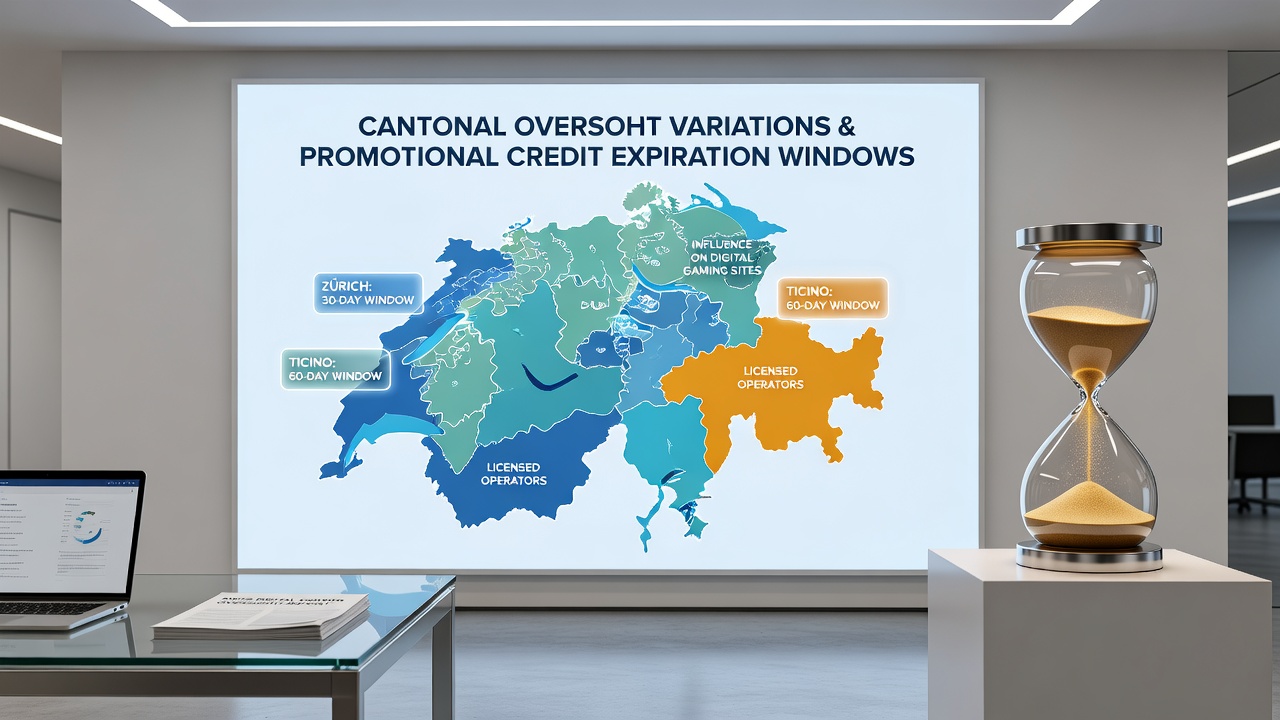
Cantonal Oversight Variations and Their Influence on Promotional Credit Expiration Windows at Switzerland's Licensed Digital Gaming Sites
Cantonal oversight in Switzerland creates distinct regulatory environments that shape how promotional credits expire on licensed digital gaming sites, and these differences stem from the division of responsibilities under the Federal Act on Gambling. Each canton applies its own review processes for certain operational aspects while federal licensing remains the baseline requirement, which leads platforms to adjust expiration timelines accordingly across regions.
Framework of Cantonal Involvement in Gaming Oversight
Switzerland's system places primary licensing authority with federal bodies yet assigns cantons specific duties in monitoring local compliance and interpreting supplementary rules for online operations, and this setup means that promotional credit expiration windows often reflect canton-specific enforcement priorities. Data from the Federal Gaming Board indicates that cantons such as Zurich and Bern maintain dedicated review panels that examine bonus structures before platforms launch them in their jurisdictions, whereas other cantons rely more heavily on federal guidelines alone.
Platforms must therefore calibrate expiration periods to satisfy the strictest local interpretation they encounter, which results in staggered timelines where a credit might remain active for 14 days in one canton yet expire after 21 days in another. Researchers at Swiss academic institutions have documented these patterns through compliance reports that track how regional variations influence operator policies.
How Regional Differences Shape Expiration Timelines
Cantons exercise latitude in defining what constitutes timely use of promotional credits, and this flexibility produces measurable variations in expiration windows across licensed sites. In Geneva for instance oversight bodies have required shorter periods to align with consumer protection measures that emphasize rapid turnover, while Basel-Landschaft applies longer windows that accommodate extended player engagement cycles.

These adjustments occur because platforms submit detailed bonus plans for cantonal scrutiny before full rollout, and approval often hinges on matching local expectations for credit validity. Figures from industry compliance audits reveal that sites operating in multiple cantons maintain separate expiration matrices to prevent regulatory conflicts, and such matrices typically list canton-by-canton rules that operators update quarterly.
Compliance Adjustments and Platform Strategies
Licensed operators respond to cantonal variations by implementing dynamic systems that detect user location and apply the corresponding expiration rule automatically, which reduces the risk of non-compliance during cross-canton play. According to records maintained by the Federal Gaming Board, several platforms introduced these location-aware features ahead of the 2025 regulatory review cycle, and the changes have streamlined how credits are tracked without altering federal licensing terms.
One documented case involved a major site that shortened expiration from 30 days to 10 days in two cantons following updated local guidance issued in early 2025, and similar adjustments continue as additional cantons refine their oversight procedures. External comparisons with regulatory models in other jurisdictions, such as those outlined in reports from the Victorian Responsible Gambling Foundation, highlight how Switzerland's decentralized approach differs from more centralized systems yet still achieves consistent federal standards.
Developments Anticipated by September 2026
Preparations for policy harmonization discussions scheduled for September 2026 have prompted some cantons to publish preliminary position papers on promotional credit rules, and these documents suggest possible convergence on minimum expiration thresholds while preserving limited regional flexibility. Observers note that platforms are already testing unified expiration protocols that could reduce administrative overhead if cantons agree on baseline standards during those talks.
Current data shows that sites with multi-canton footprints allocate significant resources to monitoring these developments, since any shift in one jurisdiction can trigger cascading updates across their entire credit management infrastructure. Compliance teams routinely cross-reference cantonal announcements with federal circulars to maintain alignment ahead of the September 2026 timeline.
Conclusion
Cantonal oversight variations continue to determine the precise length of promotional credit expiration windows at Switzerland's licensed digital gaming sites through a combination of local review processes and federal licensing requirements. The resulting patchwork of timelines requires operators to maintain sophisticated compliance mechanisms that adapt to each region's expectations, and ongoing preparations for September 2026 discussions may further refine this balance without eliminating all regional distinctions.