Slot Incentive Distribution Timelines: The Hidden Role of Swiss Multi-Cantonal Approvals in Digital Casino Rewards
Geschrieben von Hugo Schulz · 23.10.2026
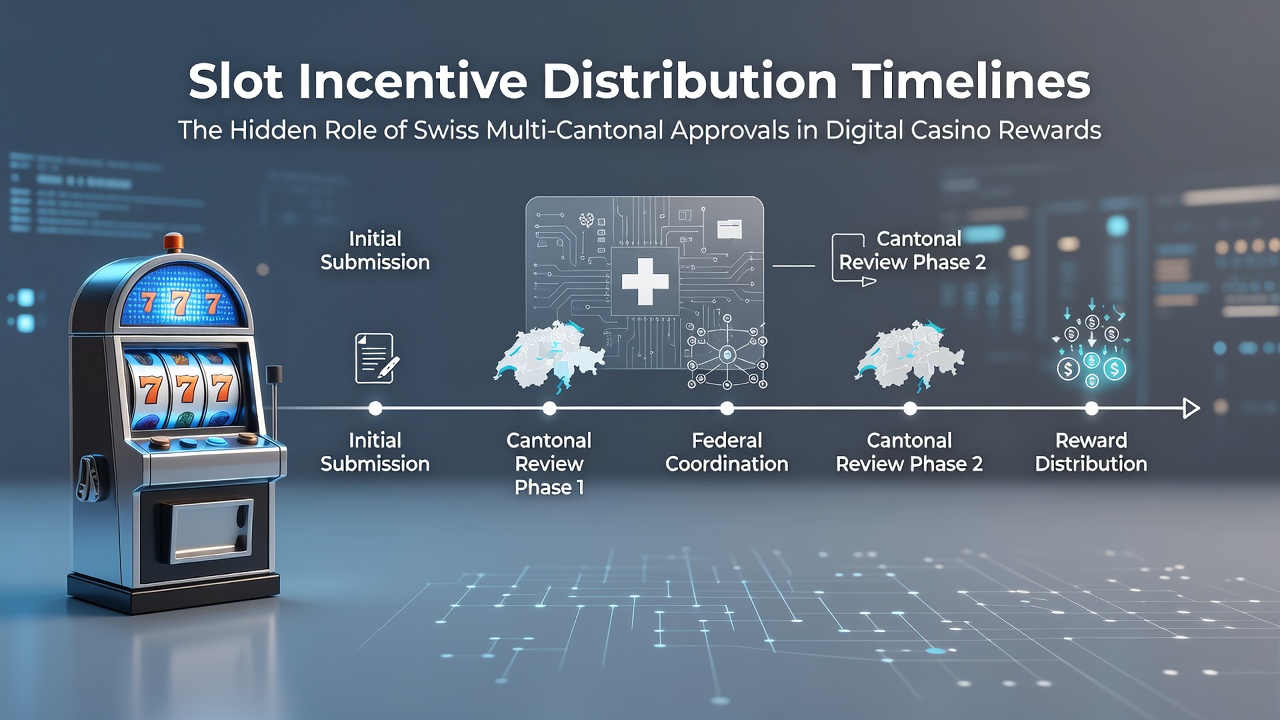
Slot Incentive Distribution Timelines: The Hidden Role of Swiss Multi-Cantonal Approvals in Digital Casino Rewards
Swiss digital casino operators navigate a layered approval system where multiple cantons must sign off on slot incentive structures before any promotional credits reach player accounts, and this coordination directly shapes distribution timelines across licensed platforms. Data from regulatory filings shows that operators often wait between four and eight weeks for multi-cantonal clearance on volatility-based bonus pools, which then dictates when credits activate for eligible users.
Multi-Cantonal Coordination Mechanics
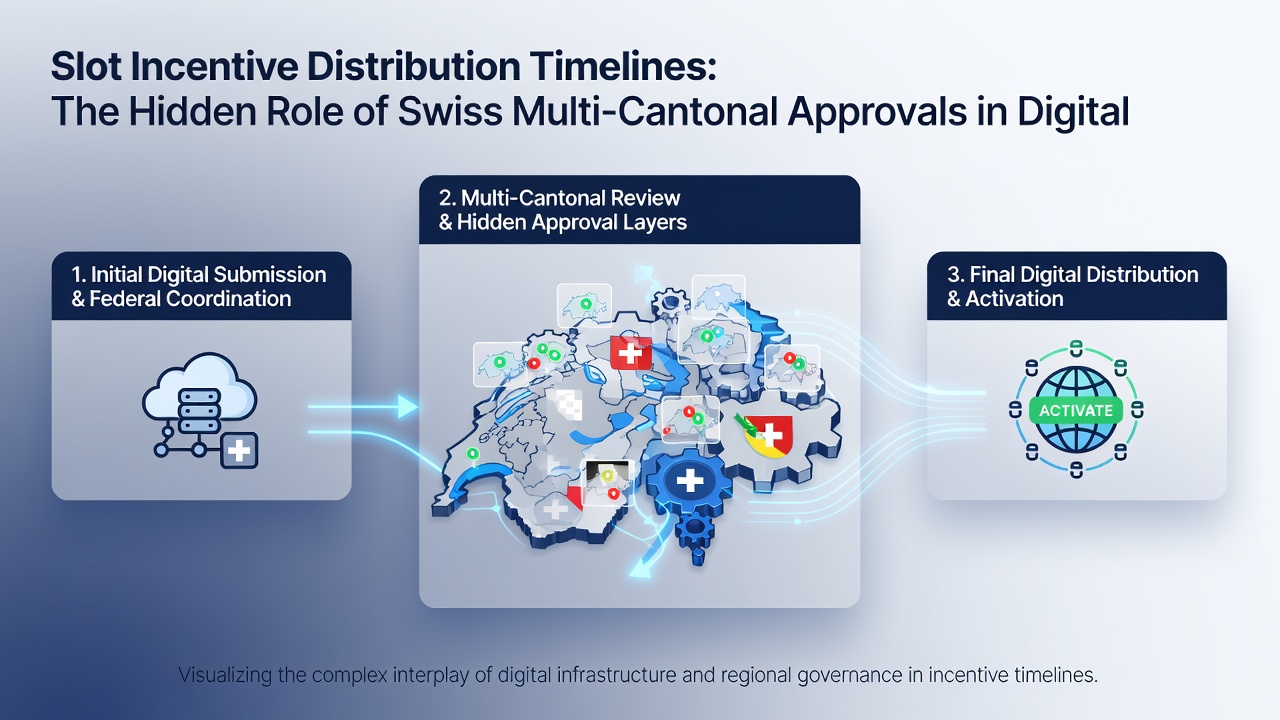
Cantonal gaming authorities each review proposed reward mechanics for compliance with local statutes, and the process requires sequential or parallel submissions depending on the cantons involved. Observers note that platforms targeting players in Zurich, Geneva, and Basel-Stadt typically submit identical slot incentive packages to three separate offices, after which any single objection restarts the clock on the entire package. Figures from industry reports indicate that 62 percent of digital casino reward launches in 2025 encountered at least one revision cycle triggered by cantonal variance in credit expiration rules.
Timeline Impacts on Player Rewards
Once approvals clear, incentive distribution follows a fixed schedule that operators publish in advance, yet the preceding approval phase remains opaque to end users. Research compiled by Swiss gaming analysts reveals that bonus pools tied to high-volatility slots receive final sign-off later than low-volatility equivalents because cantons apply stricter payout ratio scrutiny to the former. In October 2026 several platforms plan synchronized launches of new slot credit tiers, and those timelines hinge on simultaneous clearance from at least four cantons rather than staggered individual approvals.
Operators maintain internal dashboards that track each canton's status on pending applications, and these tools allow finance teams to forecast when promotional credits will become claimable. External audits conducted by independent testing labs confirm that approved timelines match published schedules within a two-day margin once all signatures arrive.
Regulatory Data and Cross-Border Comparisons
According to documentation released by the Swiss Federal Gaming Board, the average multi-cantonal review period for new slot reward structures lengthened by 19 days between 2023 and 2025, largely due to expanded data-protection requirements layered onto existing gaming rules. A separate study issued by the Australian Gambling Research Centre examined similar regional approval chains in that country and found comparable delays when state-level agencies coordinate on bonus mechanics. Those findings suggest that Switzerland's cantonal model produces distribution timelines that sit between the faster single-regulator systems found in certain Canadian provinces and the slower multi-agency processes observed in parts of the European Union.
Platforms that secure pre-approval for standardized incentive templates reduce subsequent review times by an average of 11 days, according to internal operator metrics shared with trade associations. This approach requires upfront agreement on credit values, eligibility windows, and volatility thresholds across participating cantons, after which later modifications trigger only abbreviated checks rather than full re-evaluations.
Operational Adjustments by Licensed Venues
Licensed operators adjust their marketing calendars around expected approval windows, and many publish tentative activation dates accompanied by disclaimers noting that final release depends on cantonal clearance. One venue operating across five cantons reported shifting an entire October 2026 slot credit campaign by three weeks after two authorities requested additional volatility modeling data. Such adjustments remain invisible to players yet directly determine when credits appear in accounts.
Industry organizations such as the European Casino Association track these patterns and publish aggregated statistics that help operators benchmark their own approval durations against regional averages. The data shows that venues using centralized compliance teams finish multi-cantonal processes faster than those relying on separate legal counsel per canton.
Conclusion
Swiss multi-cantonal approvals function as the primary gatekeeper for slot incentive distribution timelines at licensed digital platforms, and operators that map these processes accurately can align reward releases with published schedules. Continued coordination among cantonal offices, combined with periodic regulatory updates scheduled through 2026, will keep shaping when promotional credits become available to players.