Swiss Data Protocols and Their Shaping of Activation Windows for Volatility-Based Slot Credits at Licensed Venues
Geschrieben von Sofia Fischer · 9.10.2026

Swiss Data Protocols and Their Shaping of Activation Windows for Volatility-Based Slot Credits at Licensed Venues
Swiss data protocols establish structured frameworks for handling player information at licensed venues, and these frameworks directly determine activation timelines for volatility-based slot credits. Licensed operators must align credit release schedules with data verification steps that account for slot volatility levels, where high-volatility games require extended processing periods compared to low-volatility options.
Data Handling Requirements at Licensed Swiss Venues
Operators collect and store transaction records under federal guidelines that emphasize secure transmission and retention periods, while cantonal authorities review compliance during venue audits. These protocols integrate with gaming software to flag volatility metrics before credits activate, so a medium-volatility slot may unlock promotional credits within 24 hours whereas high-volatility titles extend that window to 72 hours or more depending on data confirmation status. Research from the Federal Data Protection and Information Commissioner shows consistent application of these rules across multiple cantons since the 2024 updates.
Venues process player consent forms through encrypted channels that feed directly into credit allocation systems, and this integration prevents premature activation that could violate volatility-based distribution rules. Observers note that data logs must remain accessible for regulatory review, creating a checkpoint system where activation windows adjust automatically based on verified volatility data points.
Volatility Classification and Timeline Adjustments
Slot volatility classifications follow standardized categories defined by game providers, yet Swiss protocols require operators to cross-reference these with internal risk assessments before credits become available. Low-volatility games trigger shorter windows because their payout patterns align with quicker data validation cycles, whereas high-volatility games demand additional verification layers that extend activation periods. Figures from industry reports indicate average windows of 12 hours for low-volatility credits and 48 hours for high-volatility ones at venues operating under current licensing standards.
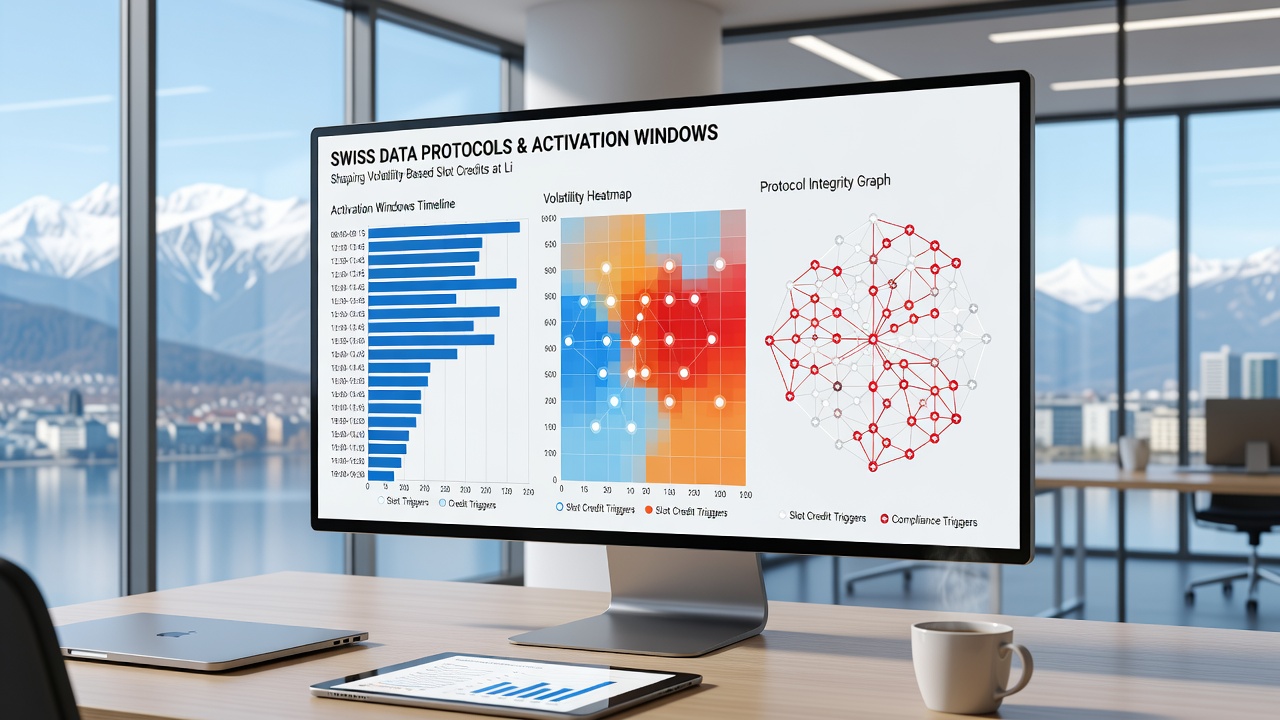
October 2026 marks the scheduled rollout of enhanced protocol modules that will link real-time volatility tracking with player account histories, allowing venues to refine activation windows further. These modules build on existing data exchange standards between operators and oversight bodies, ensuring credits tied to volatile slots activate only after full compliance checks complete.
Integration of Federal and Cantonal Data Standards
Federal data standards set baseline requirements for encryption and retention, while cantonal variations influence how quickly venues can move from verification to credit release. One study from the University of Melbourne examined similar regulatory models and found that layered oversight typically adds 12 to 36 hours to activation timelines depending on game volatility. Swiss venues apply these layers through automated systems that pull volatility ratings directly from certified game libraries, reducing manual intervention and maintaining consistent window lengths across platforms.
Operators must update their data protocols whenever new volatility classifications emerge, and this process ties directly into credit distribution mechanics at licensed sites. Data exchange agreements between venues and regulators ensure that activation windows reflect both federal security mandates and cantonal licensing conditions without overlap or delay.
Practical Effects on Credit Distribution Systems
Volatility-based slot credits reach player accounts only after data protocols confirm game parameters and account eligibility, creating a sequenced release mechanism that varies by slot category. Venues document each step in audit-ready logs, so regulators can trace how volatility data influenced specific activation windows. Evidence from operational reviews indicates these systems handle thousands of daily transactions while preserving the required separation between low and high-volatility processing paths.
Additional protocol layers introduced in recent years have synchronized data validation with credit scheduling software, allowing venues to predict activation times more accurately. This synchronization supports compliance across all licensed digital and physical locations without altering the core volatility definitions established by game developers.
Conclusion
Swiss data protocols continue to define precise activation windows for volatility-based slot credits through structured verification steps that integrate federal and cantonal requirements. Licensed venues maintain compliance by aligning their systems with these protocols, resulting in predictable yet differentiated timelines based on slot volatility levels. Ongoing refinements scheduled for October 2026 will further embed volatility tracking into data workflows, reinforcing the connection between information handling and credit release mechanics at approved sites.